Selling clothes online is easier than ever. But with so many platforms, it can be hard to choose the right one.
Some are fast and easy. Others offer scale and stability. Each comes with its own rules, fees, and buyer base.
This guide shows where to sell clothes in the U.S. – and what to expect from each channel. Whether you’re launching a fashion brand or adding new sales streams, you’ll find out which platforms fit your goals, your products, and your team.
Quick Comparison: Top Platforms at a Glance
| Platform | Easy Sign-Up | Fees | Fulfillment | Best For |
| TikTok Shop | ✅ Fast & simple | ✅ 0–5% | 🚚 Self-fulfill (DIY) | Сreators, local brands, DTC |
| Temu | ✅ Business-only | ✅ 0–5% | 🚚 Self-fulfill (DIY) | Local brands, SMBs, online retailers |
| Shein | ✅ Very fast | ✅ 5% avg | 🚚 Self-fulfill (DIY) | Private label, fashion brands, SMBs |
| eBay | ⚠️Manual setup | ⚠️ ~13%+fees | 🚚 Self-ship/manual | SMBs, resellers, local brands, collectors |
| Amazon | ⚠️Business only | ⚠️ ~17% + subs | ✅ FBA or self-ship | SMBs, brands, aggregators, local businesses |
| Walmart | ❌ High barrier | ⚠️ 8–15% | ✅ WFS or FBA allowed | Brands, local retailers, SMBs |
The Big Platforms in the US in 2025: Amazon, eBay, Walmart
These sites have ruled online shopping for years. They offer large audiences and trusted systems. But joining them isn’t quick or easy.
Amazon
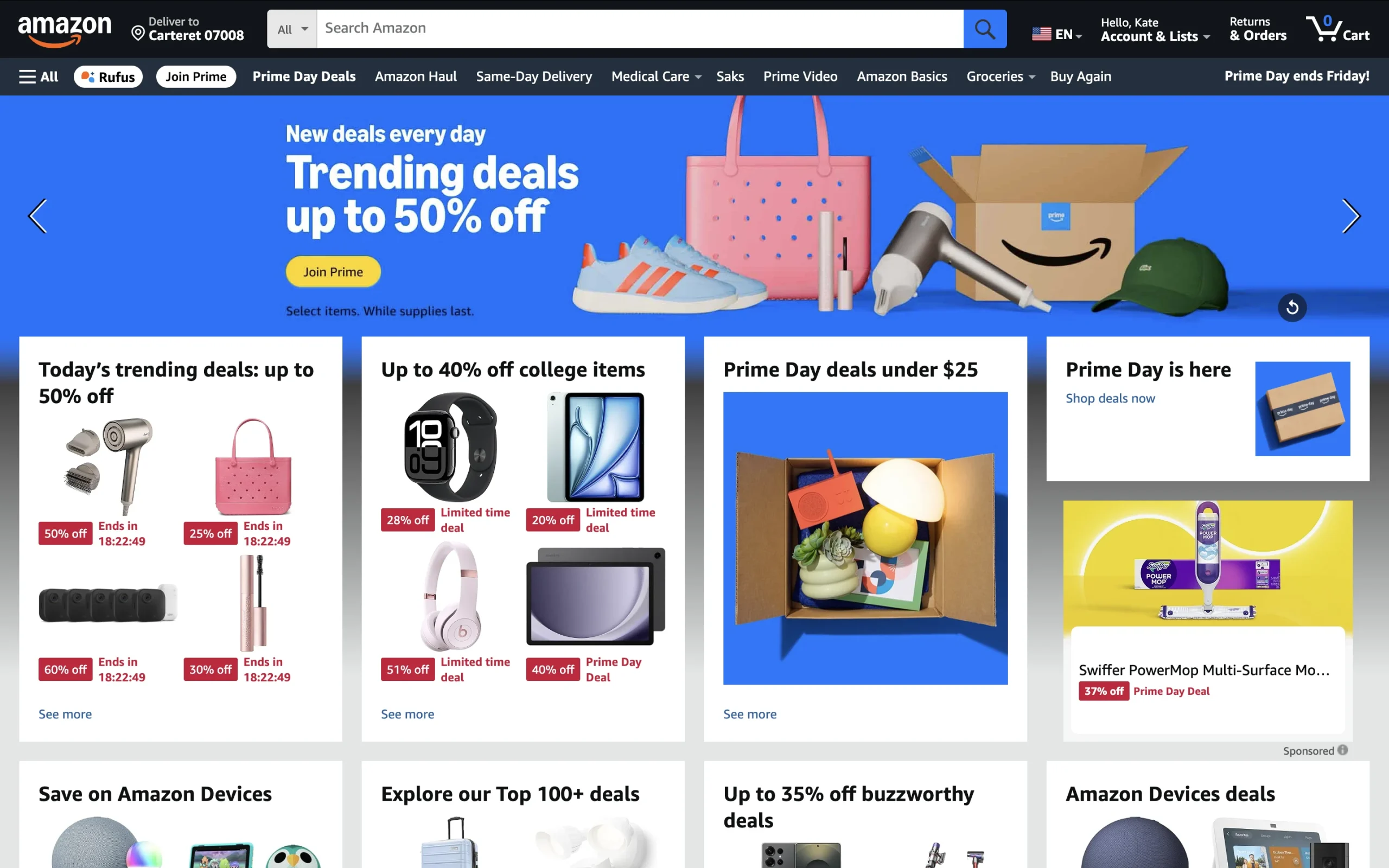
Amazon is one of the top places to sell clothes online. It’s a trusted site with strong customer loyalty, built for businesses ready to reach a massive audience. Getting started takes some effort, but the payoff can be big.
To start, you’ll need:
- Tax info (EIN or SSN)
- Business documents
- Identity verification (ID or video call)
- A working bank account
Once you’re in, you gain access to premium tools like Fulfillment by Amazon (FBA), reliable customer service, and built-in trust that drives conversions. Amazon shoppers often search with intent – they’re ready to buy, not just browse. For apparel brands that meet the standards, it’s a powerful way to scale nationwide.
We’ve already discussed how to start selling on Amazon in 2025 in the following guide.
Why it’s worth selling on Amazon:
- Millions of active buyers who are ready to purchase
- Prime-eligible listings get higher visibility and better conversions
- Fulfillment by Amazon (FBA) handles your packing, shipping, and returns
- Sponsored ads and Brand Stores help you promote your products
- Works smoothly with tools like M2E Cloud, so you can manage listings and stock in one place
What to keep in mind:
- Clothing is a controlled category. You’ll need approval and must follow strict listing rules – size charts, UPCs, clean photos, and more
- Competition is tough. You’re up against major brands, so standing out takes strategy
- Ads are often required to stay visible. Sponsored Products can drive results, but costs add up
If you want to boost your visibility without overspending on ads, check out these 10 Amazon SEO tips from M2E Pro to help your listings rank higher and convert better.
Fees and payout basics:
- Amazon takes a 17% referral fee on most apparel
- Pro seller accounts cost a monthly fee (required for 40+ items/month)
- FBA adds storage and shipping fees – convenient, but it can eat into your margin
- Payouts are made every 14 days – reliable, but slower than some other platforms
Returns and policies:
- 30-day return period with prepaid labels
- If you use FBA, refunds may be issued before the product is inspected
Shipping options:
- With FBA, Amazon handles fulfillment end-to-end
- If you ship yourself, it takes more work and could affect your Buy Box position
Want to better understand Amazon’s fee structure and fulfillment costs? Check out the Amazon FBA Fees Guide (US) for a clear breakdown of what you’ll pay when using Fulfillment by Amazon – including storage, shipping, and referral fees.
eBay
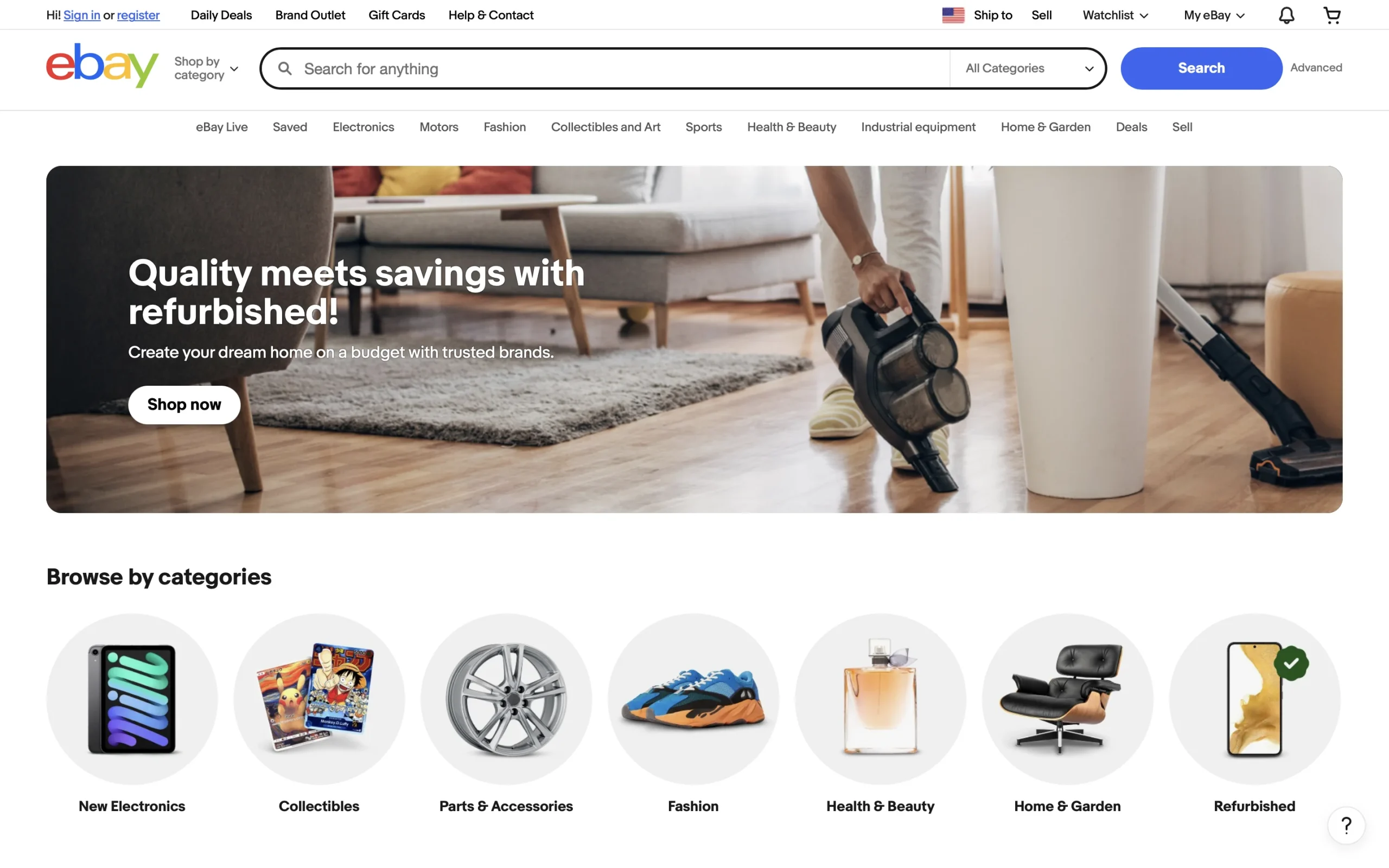
eBay is a solid choice for clothing sellers – especially if you sell second-hand, vintage, or branded fashion. It’s more flexible than Amazon and a bit easier to get started.
To start, you’ll need:
- A registered business (EIN)
- A bank account for payouts
- Tax info to meet IRS rules
- A product catalog (even if it’s small)
You can open a business account to unlock eBay’s full set of tools. Most sellers list new, refurbished, or gently used clothing. Unlike Amazon, you can sell items one at a time or manage a full store – your choice.
Why businesses choose eBay:
- Huge buyer base looking for deals, rare styles, and unique pieces
- Works great for both auction and fixed-price listings
- Fewer listing restrictions – especially for second-hand clothing
- You control your shipping, return policy, and pricing
- Seller Hub and bulk tools help manage listings at scale
What to keep in mind:
- You’ll compete with both personal and business sellers
- Visibility often depends on pricing, photos, and smart use of Promoted Listings
- eBay favors sellers with high ratings and fast handling times
Fees and payout basics:
- Final value fee: around 12.9% for most apparel
- Payment processing fee: about 2.35%
- Promoted Listings are optional – pay-per-sale, not pay-per-click
- Payouts arrive 1–3 business days after a sale (faster than most platforms)
Want to know more? This eBay Seller Fees Overview outlines final value fees, payment processing rates, and optional advertising costs – all in one place.
Returns and policies:
- You set your return window – anywhere from 0 to 60 days
- Buyers pay for return shipping unless you offer free returns
- eBay’s returns process is more flexible than Amazon’s
Shipping options:
- You choose your carriers and rates
- No built-in fulfillment, but total control over how and when you ship
eBay offers flexibility and fast onboarding, making it a smart choice for apparel businesses. Its loyal fashion-focused buyer base is ideal for expanding brand reach – all with lower upfront costs and fewer operational barriers.
Walmart Marketplace
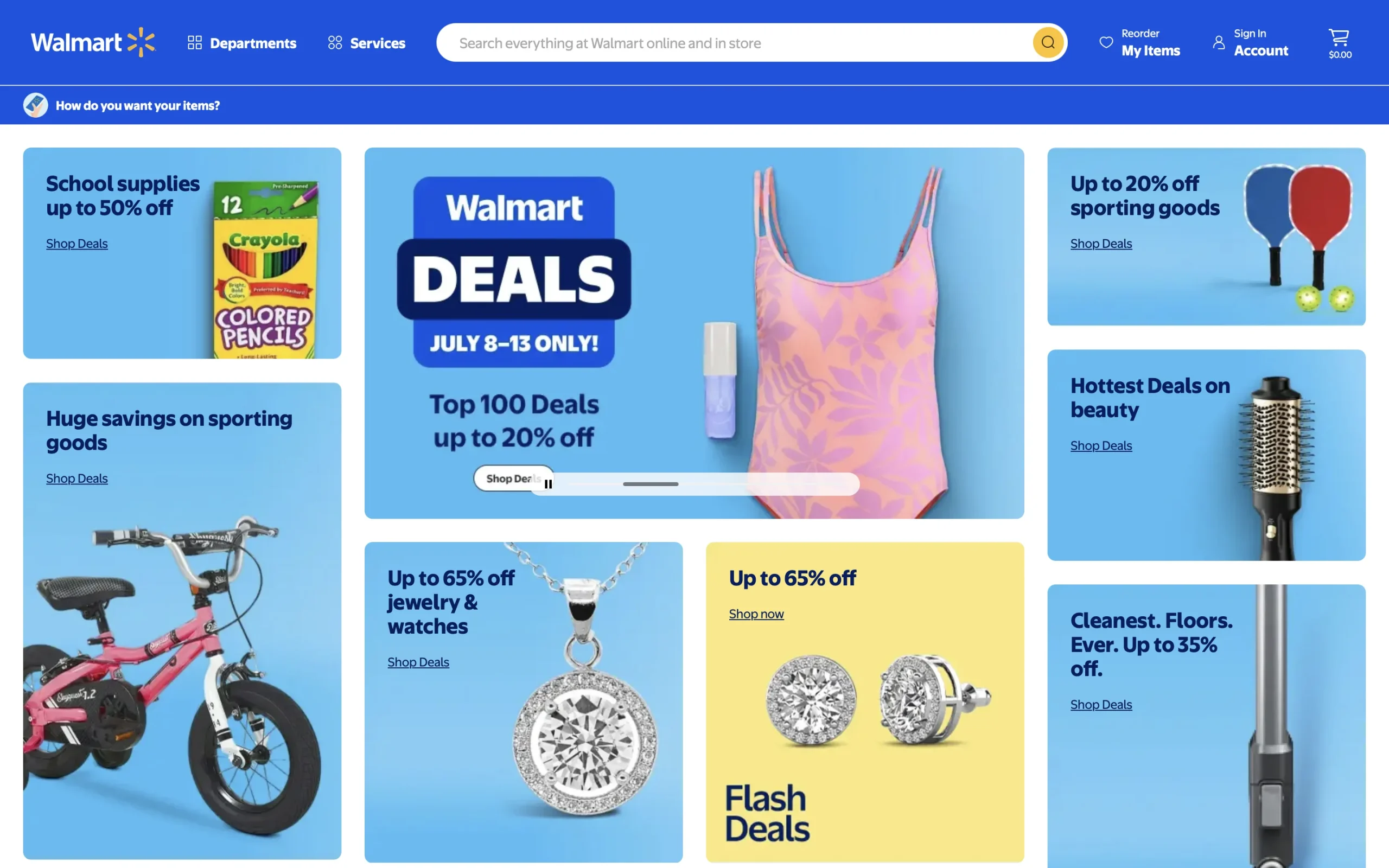
Walmart is built for established sellers who are ready to scale. It has high standards, strict onboarding, and strong customer expectations – but also massive reach.
If you’re new to Walmart Marketplace, start here: the Listing Products on Walmart guide walks you through uploading items via M2E Cloud, syncing data, and optimizing listings to meet Walmart’s requirements.
To start, you’ll need:
- A registered business (EIN)
- A business license and U.S. tax ID
- A product catalog with clear descriptions and images
- A record of eCommerce experience
Approval takes time, and not everyone gets in. Walmart reviews your application carefully. But once you’re in, you’re selling on one of the most trusted retail sites in the country.
Why businesses choose Walmart:
- Access to millions of loyal shoppers
- Less crowded marketplace than Amazon
- High buyer trust – strong for newer brands that meet Walmart standards
- Walmart Fulfillment Services (WFS) handles storage, packing, and shipping
- You can now fulfill Walmart orders through Amazon FBA, adding more flexibility
What to keep in mind:
- You must meet strict guidelines for apparel (sizing charts, clear images, accurate categories)
- Walmart expects fast shipping, high service levels, and reliable inventory
- Approval takes longer than most platforms
Fees and payout basics:
- Referral fees typically range from 8–15%, depending on the product
- No monthly subscription fee to sell
- Payouts are made every two weeks – slower than eBay or TikTok, similar to Amazon
Returns and policies:
- 90-day return window required for most clothing
- Sellers cover return shipping unless the issue is Walmart’s fault
- You’re expected to meet Walmart’s high bar for service and responsiveness
Shipping options:
- WFS is Walmart’s own fulfillment network – similar to FBA
- You can also ship orders yourself
- Walmart now allows some sellers to use FBA, which adds flexibility (Check our Walmart Order Fulfillment guide to find out the details)
Walmart isn’t the easiest place to start – but if you’re already selling online and want to grow into a major U.S. channel, it’s a powerful next step. You’ll deal with more rules, but you also get access to loyal customers and far less competition than Amazon.
The Easy Options to Sell Clothes Online in 2025: Temu, Shein, and TikTok Shop
In 2025, new platforms make selling clothes easy. They offer low fees, a fast sign-up process, and a focus on fashion.
Temu Local Seller
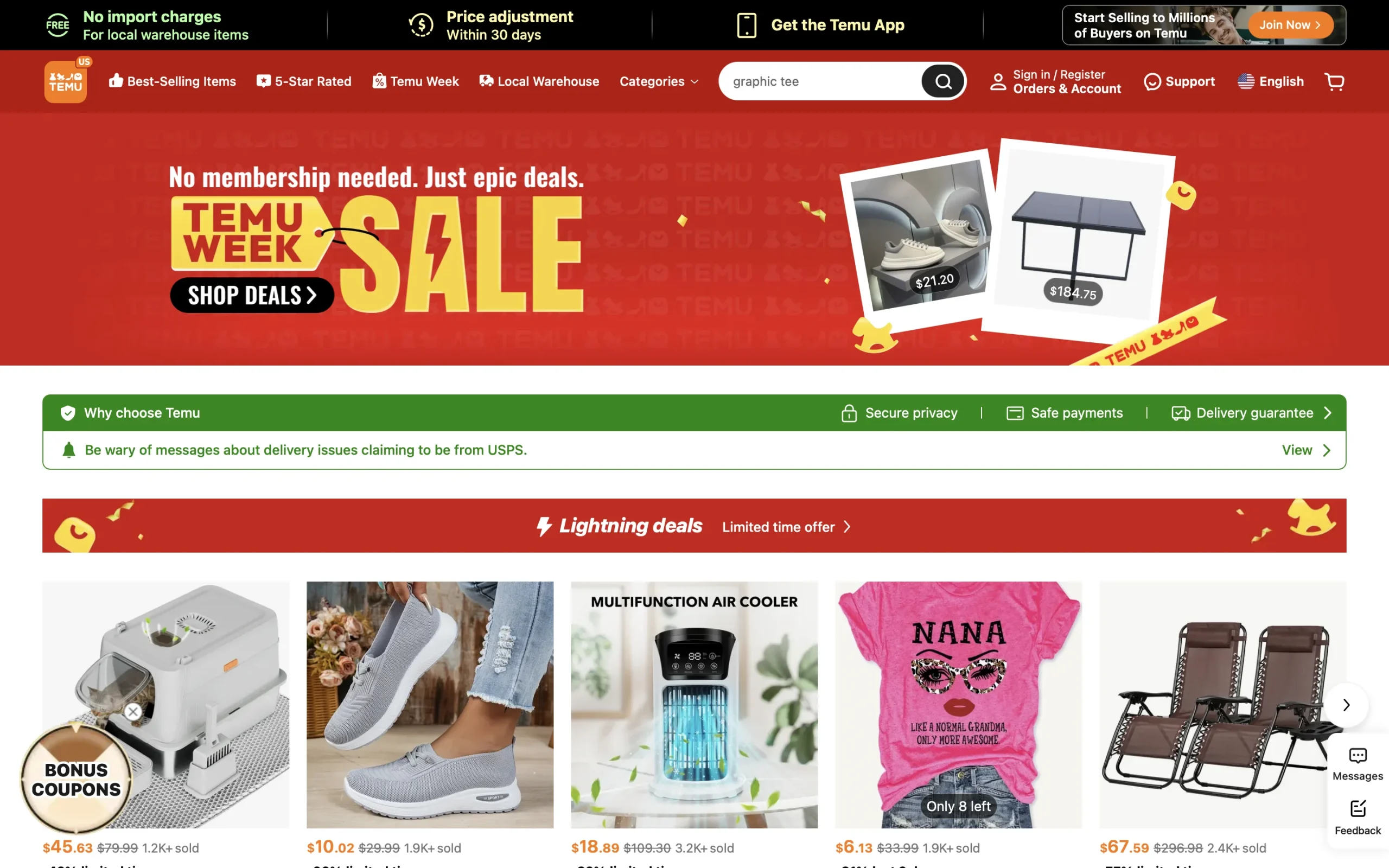
Temu has exploded in popularity – and now it’s welcoming the U.S.-based sellers. If you’re looking to move fast, keep costs low, and reach a wide audience, Temu is worth your attention.
To start, you’ll need:
- No extensive documentation or sales history required
- A registered business (EIN)
- Basic product info
Sign-up is quick and designed for ease. Many sellers can launch within a day.
Why businesses sell on Temu:
- Low barrier to entry and no listing fees
- Strong visibility for new sellers thanks to platform-led promotion
- Focus on trendy, budget-friendly fashion that aligns well with impulse buying
- Onboarding help is available, often with a real person assigned to support you
- Built-in traffic – Temu promotes local sellers in-app and through external campaigns
- Great for testing SKUs without heavy commitment
What to keep in mind:
- You handle fulfillment – Temu doesn’t offer a warehouse solution (yet)
- Most communication and seller tools are still evolving
- Pricing expectations are aggressive – budget shoppers dominate the audience
Fees and payout basics:
- No monthly fees or hidden charges
- Payouts typically arrive within 7–14 days after an order is delivered
Returns and policies:
- Temu often covers return shipping during promotional campaigns
- Transparent product info and sizing reduce return risks
- Return handling is your responsibility, though the platform simplifies the process
Shipping options:
- You manage your own shipping
- You’ll need to provide tracking and meet the expected delivery timeline
- Fast, accurate shipping improves your seller rating and listing visibility
Temu is a fast-moving, low-cost platform made for quick tests and high exposure. It’s especially strong for fashion sellers who want to reach U.S. buyers without jumping through too many hoops. If you want to get in early while competition is still low – now’s the time.
Featured Tool: M2E Temu Integration
If you’re exploring Temu’s local seller program, don’t go manual. Our M2E Temu Integration connects your Temu store directly to your system, so you can:
- List and update products in bulk
- Automatically sync orders and stock
- Avoid copy-paste errors or missed shipments
Multichannel selling isn’t just about growth – it’s about stability. With M2E, you’re not just selling in more places. You’re building a smarter, more resilient operation that can scale without chaos.
Shein Marketplace (US)
Shein is no longer just a fast-fashion giant. In 2025, it opened the door to U.S. sellers, making it a smart entry point for small brands and trend-driven businesses.

To start, you’ll need:
- A working email and basic business info
- Often just an EIN – full documents may be requested later
- A product catalog focused on fashion or accessories
Sign-up is quick – many sellers can get started in 10–20 minutes. The platform is built for speed, simplicity, and scale.
Why businesses sell on Shein:
- A huge, style-focused audience already shopping on the platform
- Low fees – often starting at 0–5% during onboarding promotions
- Focused on fashion, which gives your clothing better category placement
- Shein promotes U.S. sellers through banners, in-app campaigns, and influencer-style content
- It’s a low-barrier way to test styles, pricing, and demand
What to keep in mind:
- You’ll handle shipping and returns yourself (for now)
- The platform is still building out U.S. seller support – most help comes via email
- Product quality and delivery speed affect your seller rating
Fees and payout basics:
- Shein takes around 5% commission after the onboarding period
- Payouts typically arrive 7 –14 days after an order is completed
- No monthly account fees
Returns and policies:
- Buyers can return most items easily
- During promotions, Shein may cover return shipping to attract buyers
- Clear product details help reduce costly returns
Shipping options:
- You pack and ship orders directly to buyers
- Shein is testing fulfillment options in the U.S., but most sellers are still DIY
Shein is great if you want to get your clothing in front of fashion-first shoppers – fast. It’s flexible, easy to enter, and gives you space to test without a big upfront investment.
TikTok Shop US
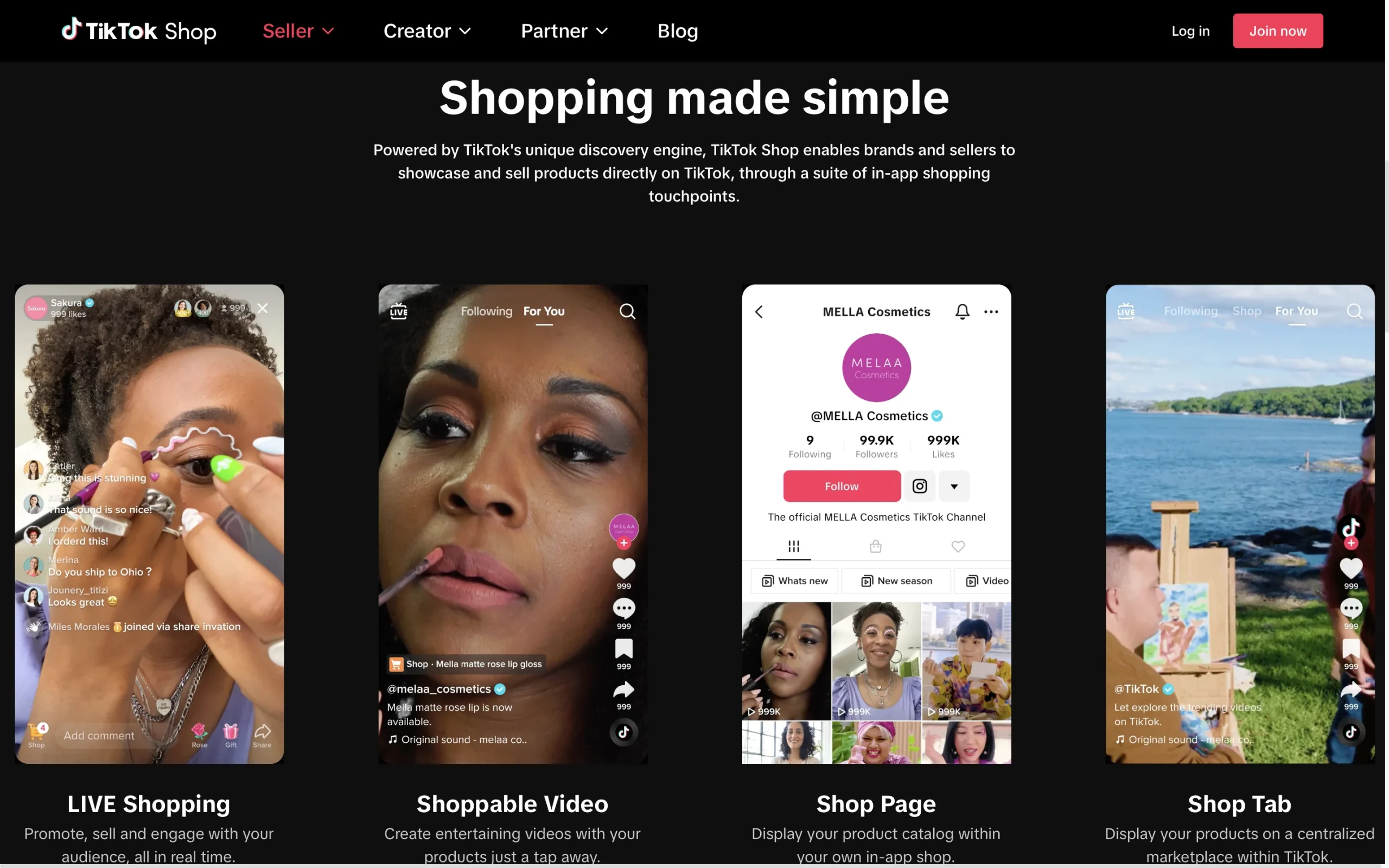
TikTok Shop is the fastest-growing way to sell clothes online – and it’s built for sellers who know how to connect through content. Whether you’re a brand or a creator, it offers a direct line to millions of buyers.
To start, you’ll need:
- A valid ID or SSN
- A U.S.-based account
- No business license required to begin
Getting started is fast. You can list products, connect them to your videos, and start selling – all in a single dashboard.
Why businesses sell on TikTok Shop:
- Massive reach through viral content and in-app discovery
- Perfect for sellers who use short-form video and livestreams
- 0% commission for up to 90 days if you complete the First Mission
- Advanced ad tools like Spark Ads, In-Feed, and TopView drive low-cost traffic
- TikTok promotes small sellers and trending items aggressively
- Shipping subsidies and bonus programs available during your first 500 orders
What to keep in mind:
- Sales depend heavily on content performance
- You’ll need to stay active – the algorithm rewards consistency
- Good visuals, strong branding, and trust-building go a long way
Fees and payout basics:
- 0% commission for eligible new sellers (up to 90 days)
- After that, commission rates range from 2–5%
- Payouts happen 3–7 days after order delivery – faster than most platforms
Returns and policies:
- Flexible return window – you choose between 14 and 90 days
- TikTok manages refunds and cancellations through automated tools
- Return and customer service settings are easy to customize
Shipping options:
- Sellers currently manage their own fulfillment
- Shipping accuracy and tracking impact seller scores
- TikTok is testing fulfillment services in select regions
TikTok Shop is ideal for sellers who can create engaging video content – or who already have a brand presence on social media. It’s easy to launch, cheap to run, and powerful when your products resonate with the right audience.
Managing It All: Why Multichannel Matters
In 2025, relying on a single sales channel is a risky move. One algorithm update, policy shift, or fee change can disrupt your entire business. That’s why the most resilient and scalable eCommerce brands go multichannel.
Why it matters for your business:
- Reduce platform risk. If Amazon changes its return policy or TikTok throttles your ad reach, your business keeps running on other channels. No single point of failure.
- Reach more buyers. Different platforms serve different audiences. Walmart captures budget-conscious retail shoppers. TikTok attracts mobile-first trend followers. Temu draws fashion enthusiasts.
- Tailor pricing by channel. You can test which platform delivers the best margins. Shein’s lower fees might give you stronger ROI, while TikTok could drive higher volume through video.
- Consolidate operations. Managing multiple platforms doesn’t mean more work – not with the right tools.
That’s where M2E Multichannel Connect comes in. It lets you:
- Sync listings, prices, and quantities across Amazon, Walmart, eBay, TikTok, Shein, Temu, and more
- Route orders through the right fulfillment method (FBA, WFS, self-ship, MCF)
- Keep taxes, reporting, and shipping rules consistent – even across marketplaces

The Bottom Line
Selling clothes online in 2025 isn’t just about low fees or big audiences – it’s about the whole picture:
- How quickly you get paid
- How easy it is to reach buyers
- What you pay to ship or return items
- How smooth the support is
- And how well you can promote your brand
Start small and bright: leverage TikTok Shop, Temu, and Shein to test your products with little risk. As you grow, diversify into Amazon, eBay, and Walmart – but only after you’ve learned the ropes.
Invest in multichannel tools, such as M2E Multiсhannel Connect. They help you manage inventory, pricing, taxes, and listings across platforms – all without overselling or missing out on opportunities.
Grow smart, stay flexible, and build a resilient eCommerce future.